| Back to the archive | |

| |
July 2026 | |
|
News | |
 ICTP Announces Recipient of 2026 Brahmagupta AI PrizeICTP and IBM announced the 2026 winner of their joint ICTP-IBM Brahmagupta Artificial Intelligence Prize for Early Career Scientists. Professor Michael Skinnider of Princeton University, USA, a computational biologist, received this year's prize for pioneering the application of artificial intelligence to biomedical discovery, and for developing transformative AI methods that reveal previously unknown chemistry, accelerate metabolite discovery, advance neuroscience, and address major challenges in human health. Photos of the prize ceremony, which took place on 23 July, can be viewed here. Read more ... | |
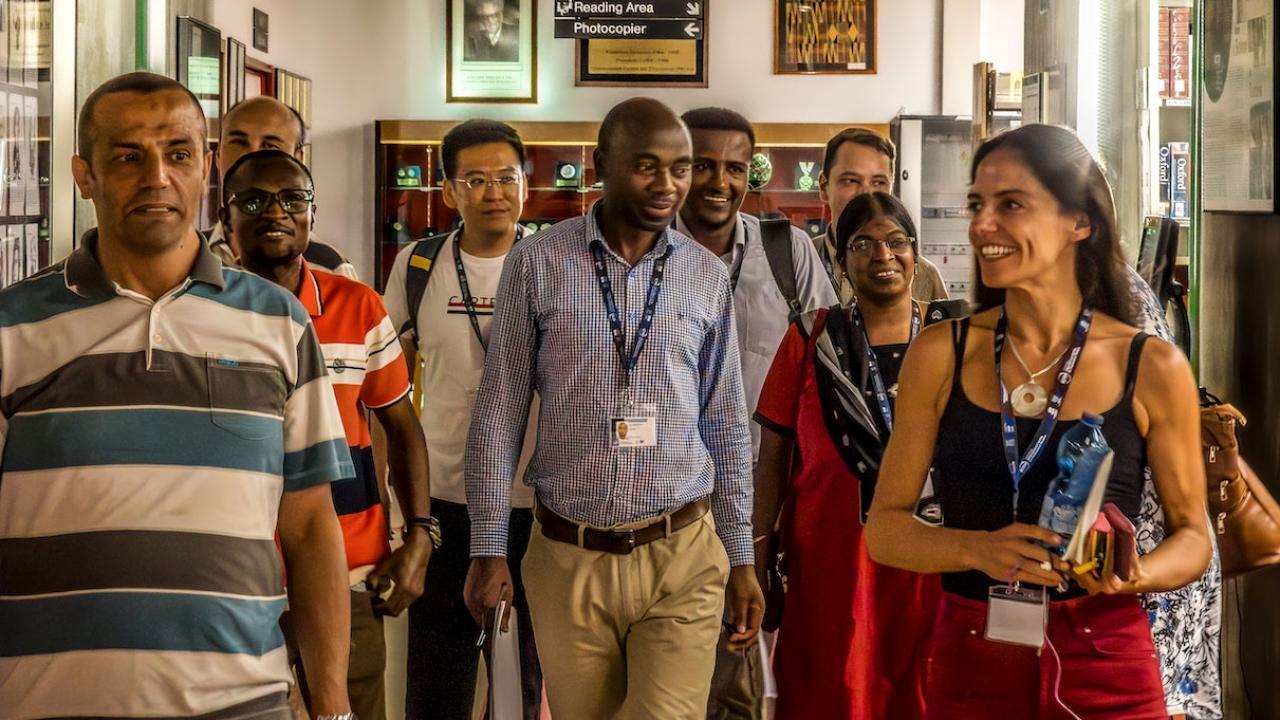 ICTP's Associates Scheme Welcomes 32 Scientists from Sub-Saharan AfricaStarting in 2027, ICTP will be welcoming 32 scientists from across Sub-Saharan Africa who have been selected as new ICTP Associates. As such, the scientists will be entitled to visit the Trieste campus several times for sabbatical stays of up to 60 days each visit, exposing them to ICTP's international environment, where world-class researchers explore cutting edge science and share their knowledge through conferences, schools and educational programmes. Read more ... | |
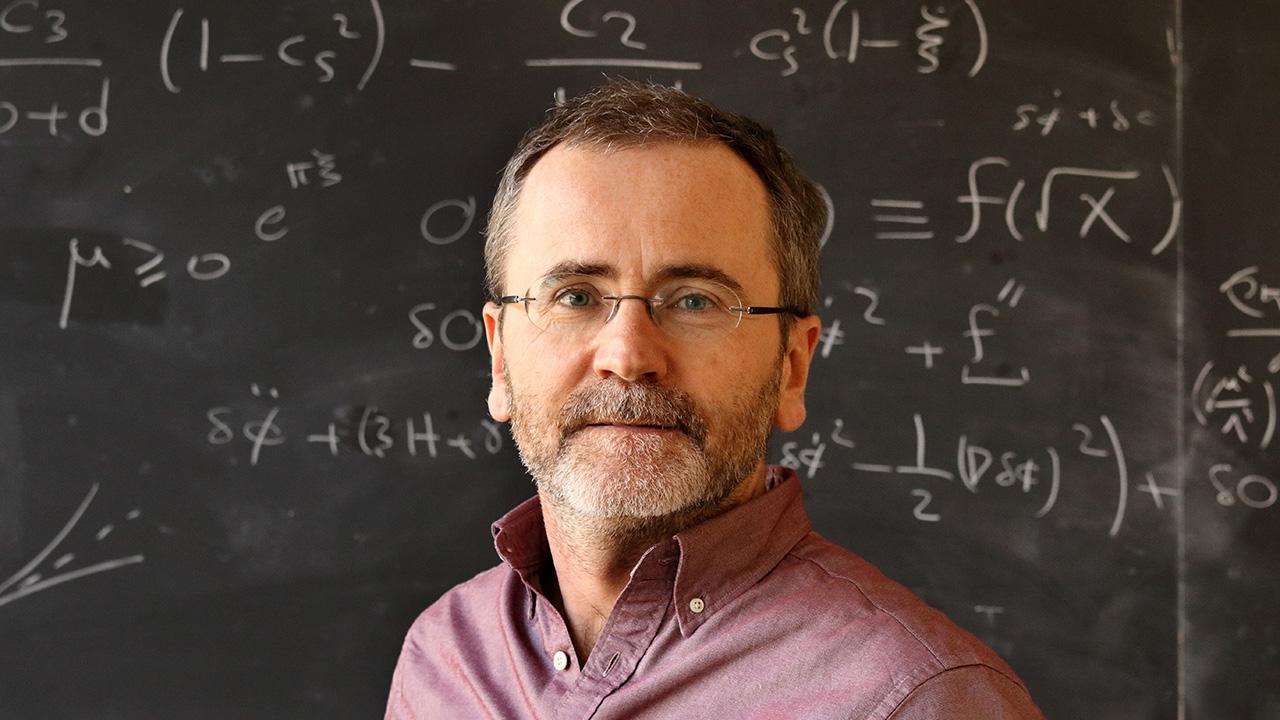 ICTP Physicist Wins ERC Advanced GrantICTP Senior Research Scientist Paolo Creminelli has been awarded a prestigious European Research Council Advanced Grant to explore the theory underlying some of the most complex systems in the universe, from black holes to the early phase of the universe's expansion, the so-called inflation. ERC Grants support frontier research; six ICTP researchers have been awarded the competitive grants since ICTP became eligible in 2021. Read more ... | |
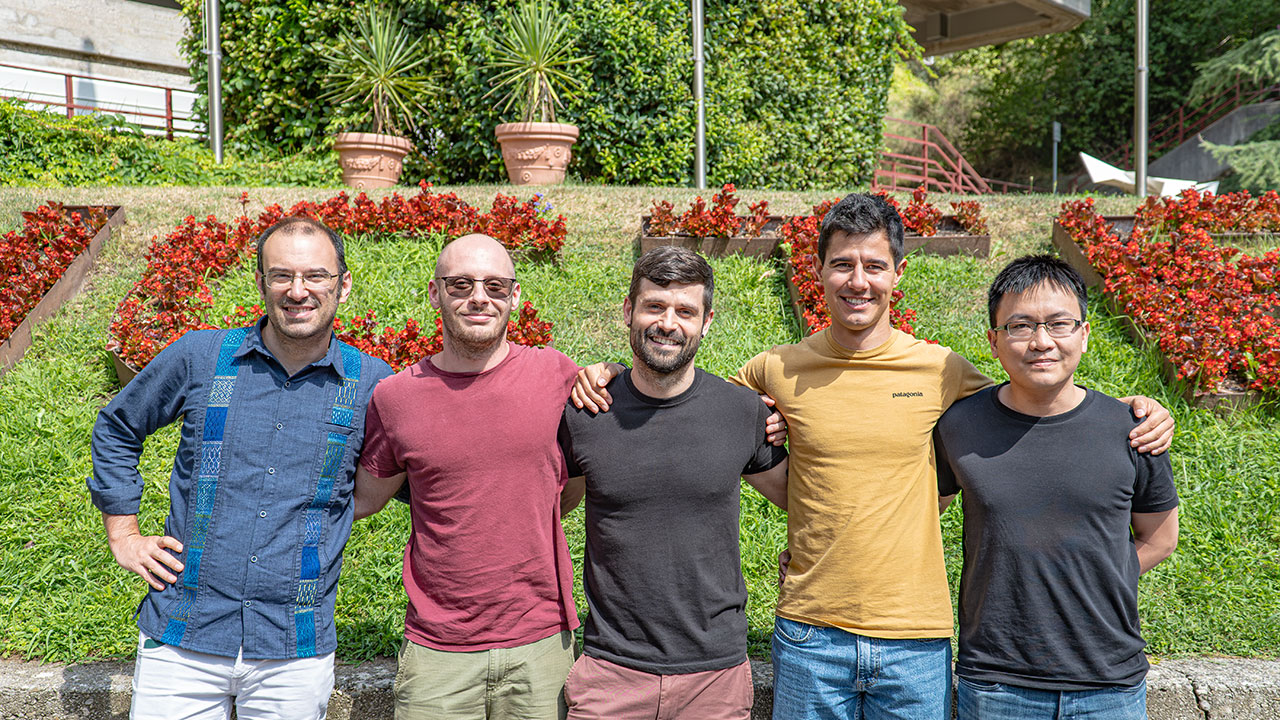 Using Theoretical Physics to Shed Light on How AI LearnsAI tools, and particularly deep neural networks, are now used to automate and improve decision-making in key areas such as healthcare and hiring, and are becoming increasingly present in everyday lives. How these complex systems succeed in learning so effectively from the data they are provided was the focus of research led by ICTP researcher Jean Barbier. He and his collaborators have developed a sharp theoretical description of learning in a certain class of deep neural networks, shedding light on the fundamental processes underlying these tools. Their results were recently published in Physical Review X. Read more ... | |
 What Happens When AI Models are Trained on Artificial Data?Since conversational generative AI chatbots became available a few years ago, the internet has rapidly become populated with AI-generated texts. Many worry that, as these artificial texts are reused as training data for AI chatbots, they could impoverish our language and amplify existing biases. Research led by ICTP scientist Matteo Marsili investigated the issue using a theoretical approach focusing on a specific class of models. The analysis, published recently in Physical Review Letters, can provide a starting point for addressing issues such as implicit biases arising in artificial neural networks. Read more ... | |
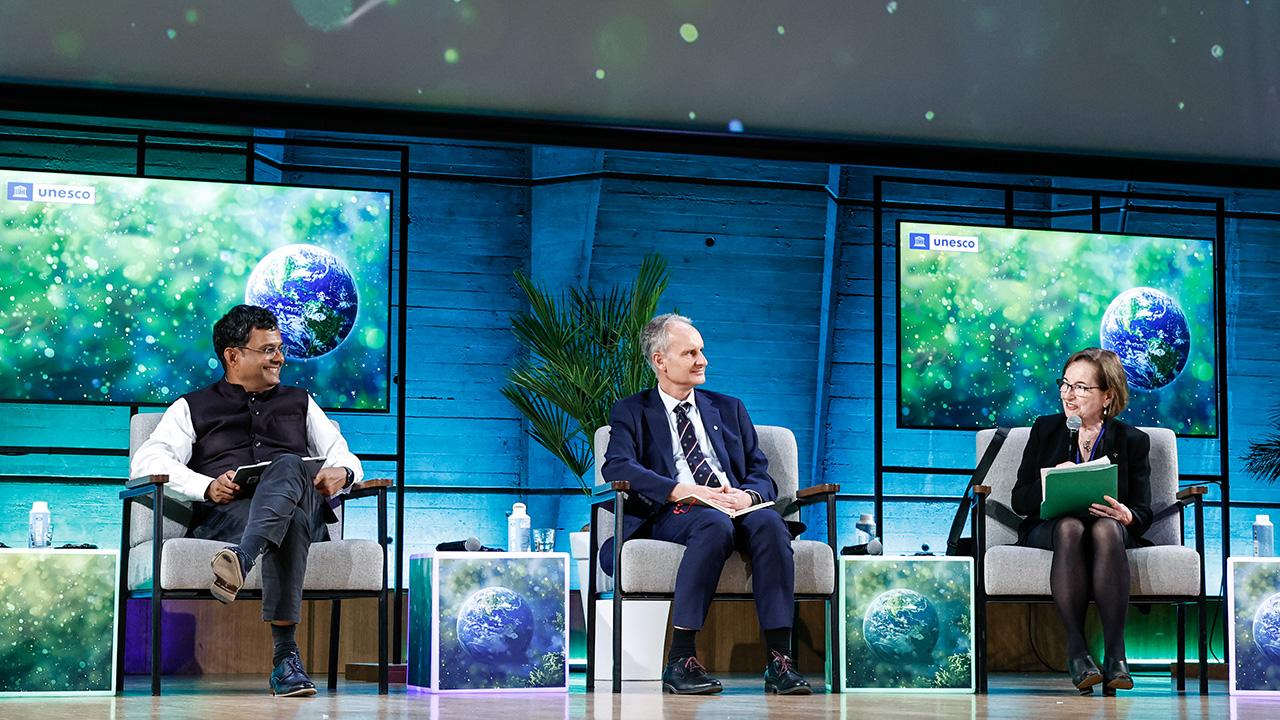 ICTP Director Speaks at UNESCO Global ConferenceICTP Director Atish Dabholkar joined ministers, scientists, and leaders for UNESCO's first global conference of the International Decade of Sciences for Sustainable Development (IDSSD). Under the theme “Science in action: Charting a sustainable and equitable future for all,” participants discussed the important role of science in accelerating progress toward sustainable development goals. The conference also coincided with the release of the First Global Report of the International Decade of Sciences for Sustainable Development. Read more ... | |
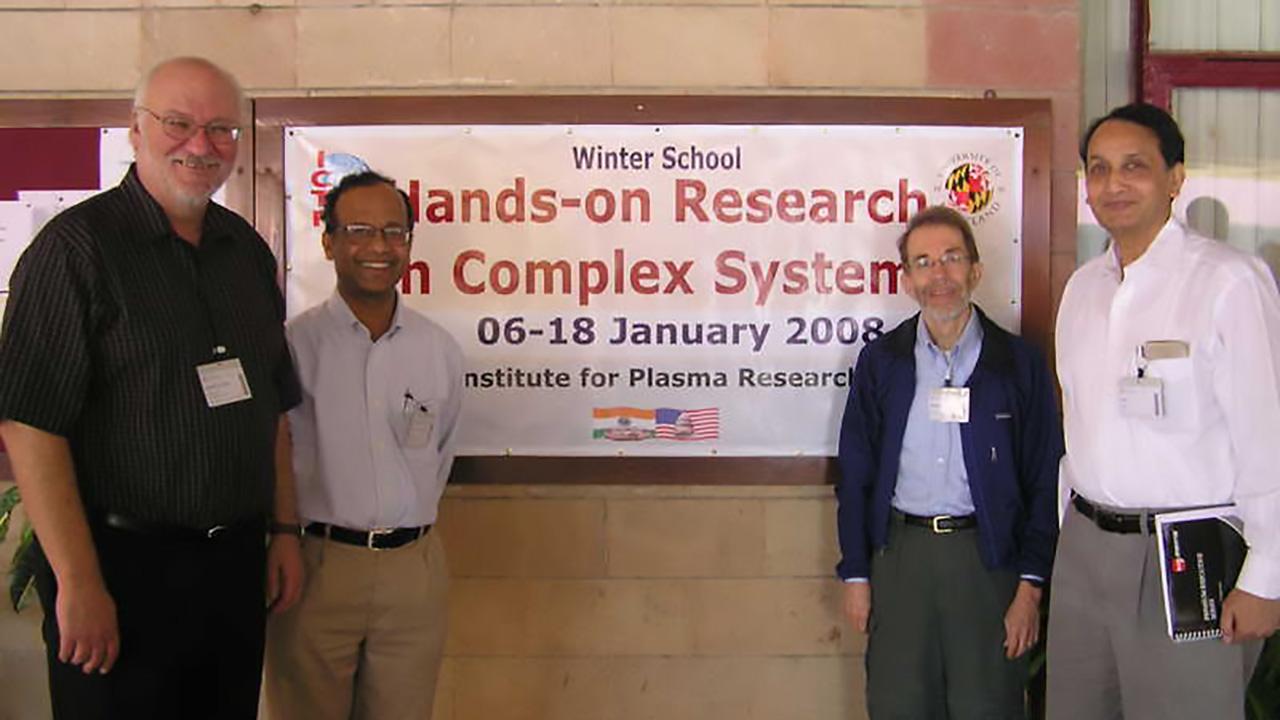 In Memoriam: Kenneth C. Showalter and Harry L. SwinneyICTP was saddened to learn of the passing, just weeks apart, of two founders of the very successful Hands-on Research in Complex Systems School, that ICTP has been hosting for the past 18 years. Kenneth C. Showalter (1949-2026) and Harry L. Swinney (1939-2026) were committed researchers with different academic backgrounds but a shared passion for complex systems that can be investigated with table-top experiments. Read more ... | |
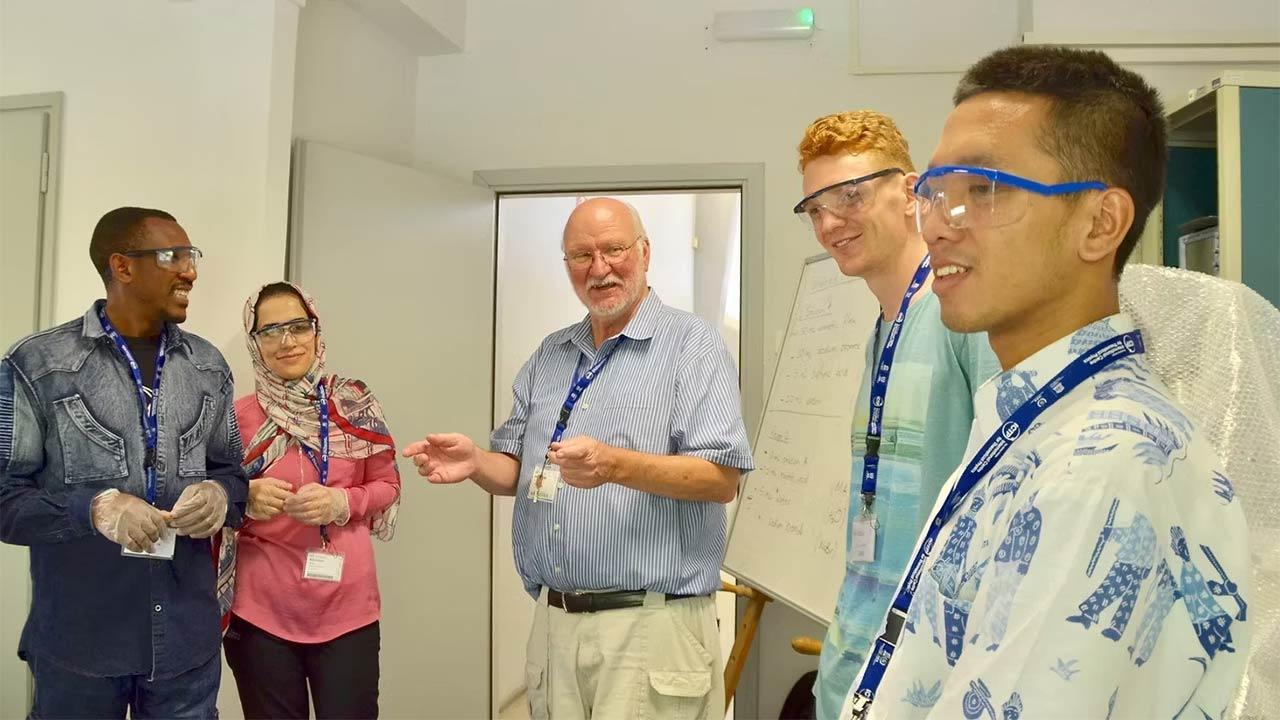 Memorial Giving and Planned Support at ICTPMany in the ICTP community might not be aware that the practice of memorial donations and planned giving to honour a colleague or loved one are accessible options to support ICTP's mission. While these practices are common in the non-profit sector in the U.S., they offer a meaningful way for our supporters worldwide to build a lasting scientific legacy. Beyond direct memorial gifts, supporters can contribute through planned giving, including bequests and special memorial funds. Read more ... | |
 Two Years of the ICTP Global Science Portal!The ICTP Global Science Portal online community platform was launched in July 2024 on the occasion of the 60th anniversaries of both ICTP and the Associates programme. Since then, the Portal network has grown to over 5500 members across 166 countries, becoming a place to find collaborators, reconnect with past colleagues and friends, find and share opportunities, attend online events, and stay an active member of the ICTP family, wherever you are. We celebrated 2 years of the Portal by asking our community to share a snapshot of their lives. Read more ... | |
|
Opportunities | |
HECAP call for 2026 Short-term VisitsICTP's High Energy, Cosmology and Astroparticle Physics (HECAP) section offers a number of grants for short-term visits (up to 3 months) for scientists to perform theoretical studies in HECAP's areas of expertise and in close interaction with the section's resident staff and visiting scientists. Scientists coming from and working in developing countries are encouraged to apply. Application deadline: 15 August 2026. | ICTP's Training and Research in Italian Laboratories (TRIL) ProgrammeICTP's Training and Research in Italian Laboratories Programme places scientists in an Italian laboratory for research in the physical sciences. Application deadline: ongoing.Details ... |
|
Upcoming Deadlines | 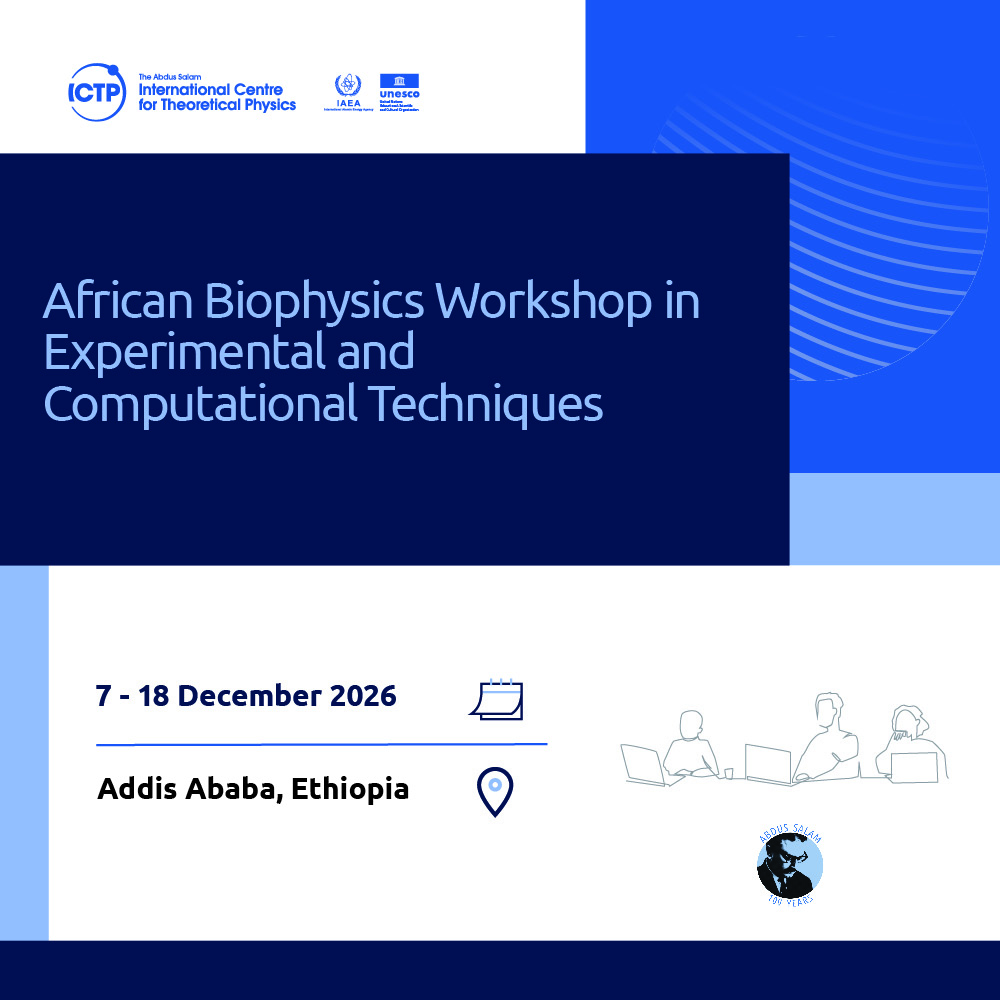 | 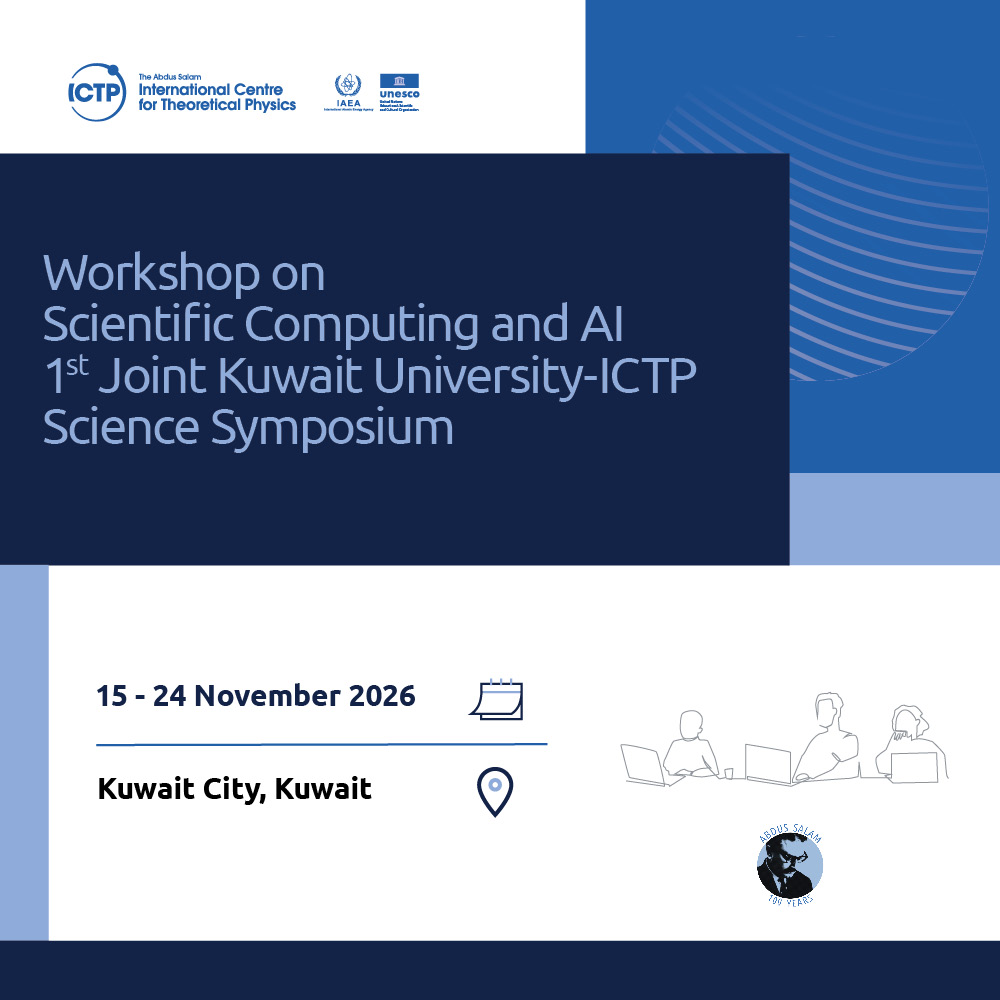 |
African Biophysics Workshop in Experimental and Computational TechniquesDeadline: 15 August 2026 | Workshop on Scientific Computing and AIDeadline: 15 August 2026 | 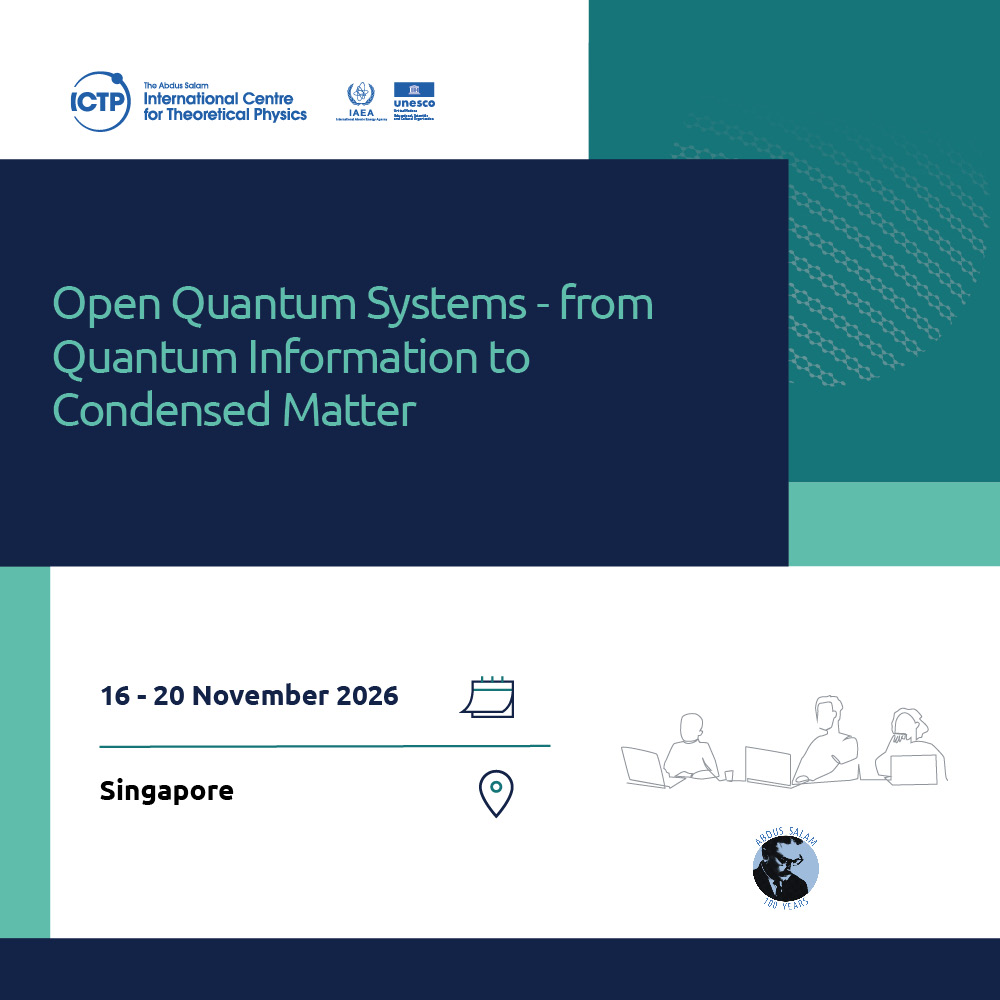 |
Open Quantum Systems - from Quantum Information to Condensed MatterDeadline: 31 August 2026 | |
|
Important links | |
|
Uniting Minds, Igniting Discovery: ICTP Video Spotlights
https://www.youtube.com/playlist?list=PLoxv42WBtfCCQynvMrPJAT_fT-bglH0vK ICTP Scientific Calendar: https://www.ictp.it/home/scientific-calendar Marie Curie Library: https://library.ictp.it/ ICTP Dirac Conversations video series: https://www.youtube.com/playlist?list=PLoxv42WBtfCC_3PwuoOuEWxakUF9uhti8 | |


| |
|
Abdus Salam International Centre for Theoretical Physics Strada Costiera 11 34151 Trieste, Italy sci_info@ictp.it Copyright© 2026 All Rights Reserved You received this email because you are registered to receive news from ICTP. Click here to unsubscribe. |
|